
Men's Shoe Size Chart
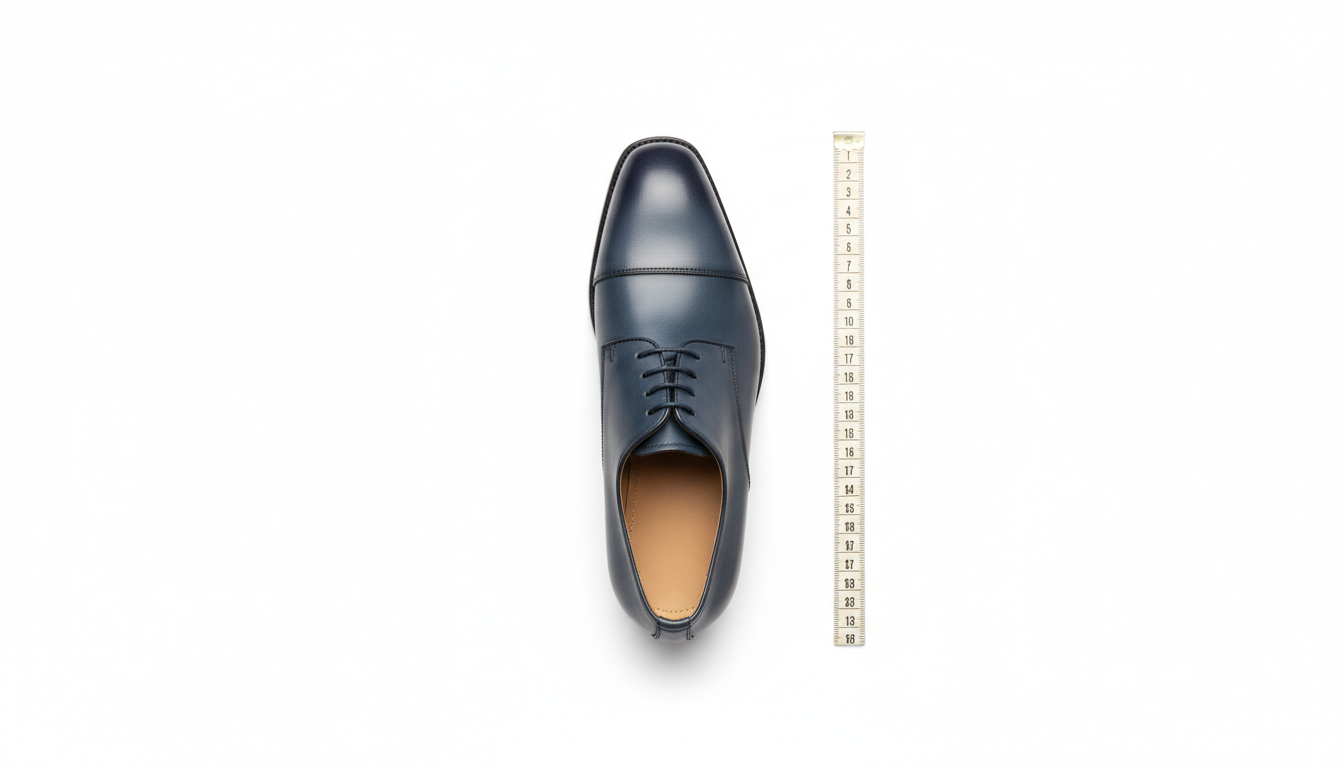
Men’s shoe sizes differ between the UK, US, and EU systems — a UK 8 is a US 9 and an EU 42. Our conversion chart below lets you quickly find your size in any system using your foot length in centimetres. Whether you’re shopping for dress shoes, trainers, boots, or casual footwear from international brands, accurate sizing starts with knowing your exact foot measurement.
Sizes can also vary between brands and shoe styles, so we recommend measuring your feet and checking the brand’s specific guide alongside this chart for the best fit.
Men's Shoe Size Conversion Chart
| UK | US | EU | CM |
|---|---|---|---|
| 3 | 4 | 36 | 22 |
| 3.5 | 4.5 | 36.5 | 22.5 |
| 4 | 5 | 37 | 23 |
| 4.5 | 5.5 | 37.5 | 23.5 |
| 5 | 6 | 38 | 24 |
| 5.5 | 6.5 | 38.5 | 24.5 |
| 6 | 7 | 39 | 25 |
| 6.5 | 7.5 | 40 | 25.5 |
| 7 | 8 | 40.5 | 26 |
| 7.5 | 8.5 | 41 | 26.5 |
| 8 | 9 | 42 | 27 |
| 8.5 | 9.5 | 42.5 | 27.5 |
| 9 | 10 | 43 | 28 |
| 9.5 | 10.5 | 44 | 28.5 |
| 10 | 11 | 44.5 | 29 |
| 10.5 | 11.5 | 45 | 29.5 |
| 11 | 12 | 46 | 30 |
| 11.5 | 12.5 | 46.5 | 30.5 |
| 12 | 13 | 47 | 31 |
| 12.5 | 13.5 | 47.5 | 31.5 |
| 13 | 14 | 48 | 32 |
| 14 | 15 | 49.5 | 33 |
| 15 | 16 | 51 | 34 |
How to Measure Your Feet
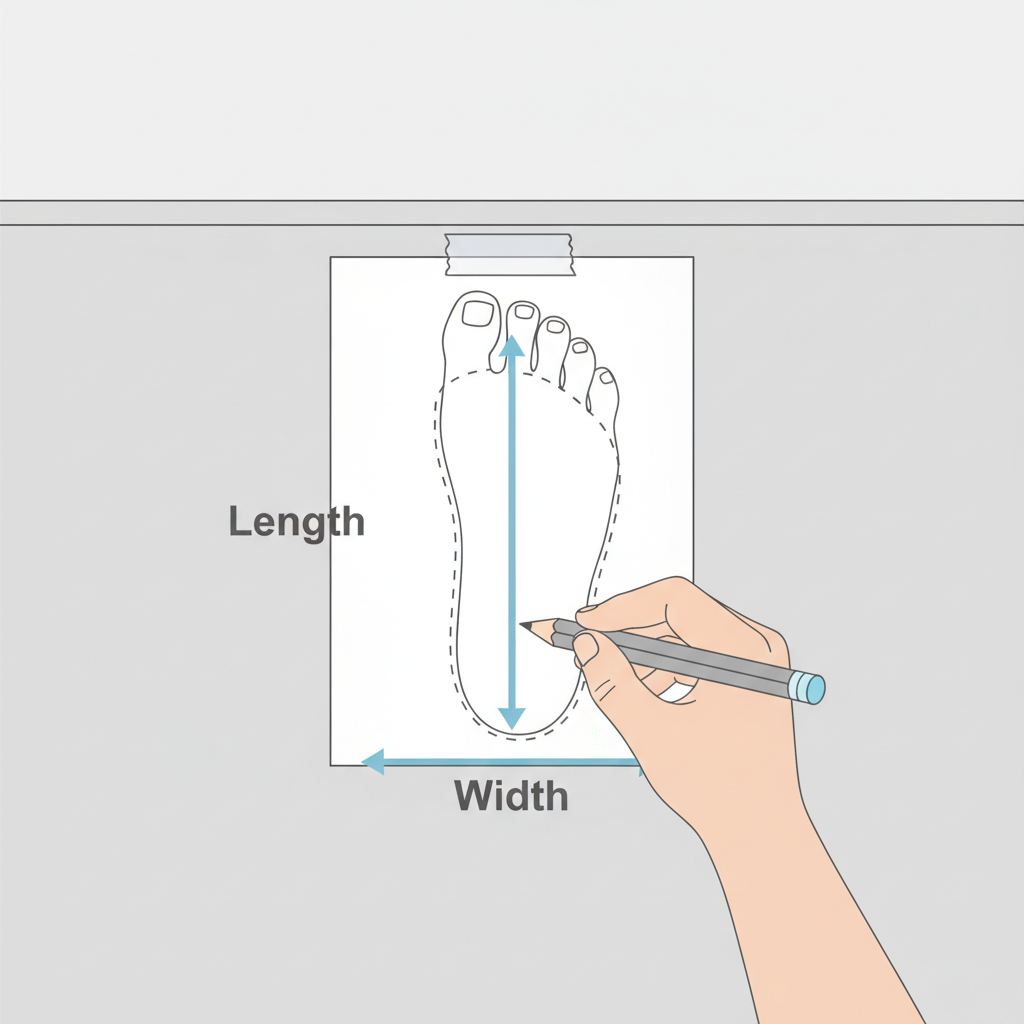
- Place a piece of paper on the floor against a wall
- Stand on the paper with your heel against the wall
- Mark the longest part of your foot on the paper
- Measure the distance from the wall to the mark in centimetres
- Use the CM column in our chart to find your size
Sizing by Shoe Type
Different shoe styles may require different size choices. Here’s what to consider:
Dress Shoes & Oxfords
Formal shoes tend to fit true to size or slightly narrow. Leather uppers will stretch and mould to your feet over time, so a snug (not tight) initial fit is ideal. Allow 5–10 mm of space beyond your longest toe.
Trainers & Running Shoes
Athletic shoes typically run half a size larger than dress shoes. Running shoe experts recommend a thumb’s width of space between your longest toe and the front of the shoe to allow for foot swelling during exercise.
Boots
Work boots and hiking boots may need sizing up to accommodate thicker socks. Chelsea boots and ankle boots usually fit true to size. Dr. Martens are known to run large — many wearers size down by one.
Casual & Loafers
Slip-on shoes and loafers should fit snugly as they lack laces to adjust the fit. Canvas shoes like Converse or Vans tend to run narrow, so wide-footed wearers may need to go up half a size.
Men’s Shoe Sizing Tips
- UK to US conversion: UK sizes are typically one size smaller than US sizes — a UK 9 is a US 10
- EU sizes: Based on the Paris Point system (⅔ cm per size). Add approximately 33–34 to your UK size to get your EU size
- Measure both feet: Most people have one foot slightly larger than the other. Always buy shoes to fit the larger foot
- Width fittings: If shoes often feel too tight or too loose, consider brands that offer width options (E for narrow, G for standard, H for wide)
- Time of day matters: Feet swell during the day, so measure and try on shoes in the afternoon or evening for the most accurate fit
- Break-in period: Quality leather shoes need 1–2 weeks to break in. They should feel snug initially but never painful
Popular Men's Shoe Brands
Different brands may have slight variations in sizing. Here are some popular UK brands: