
Women’s Shoe Size Chart
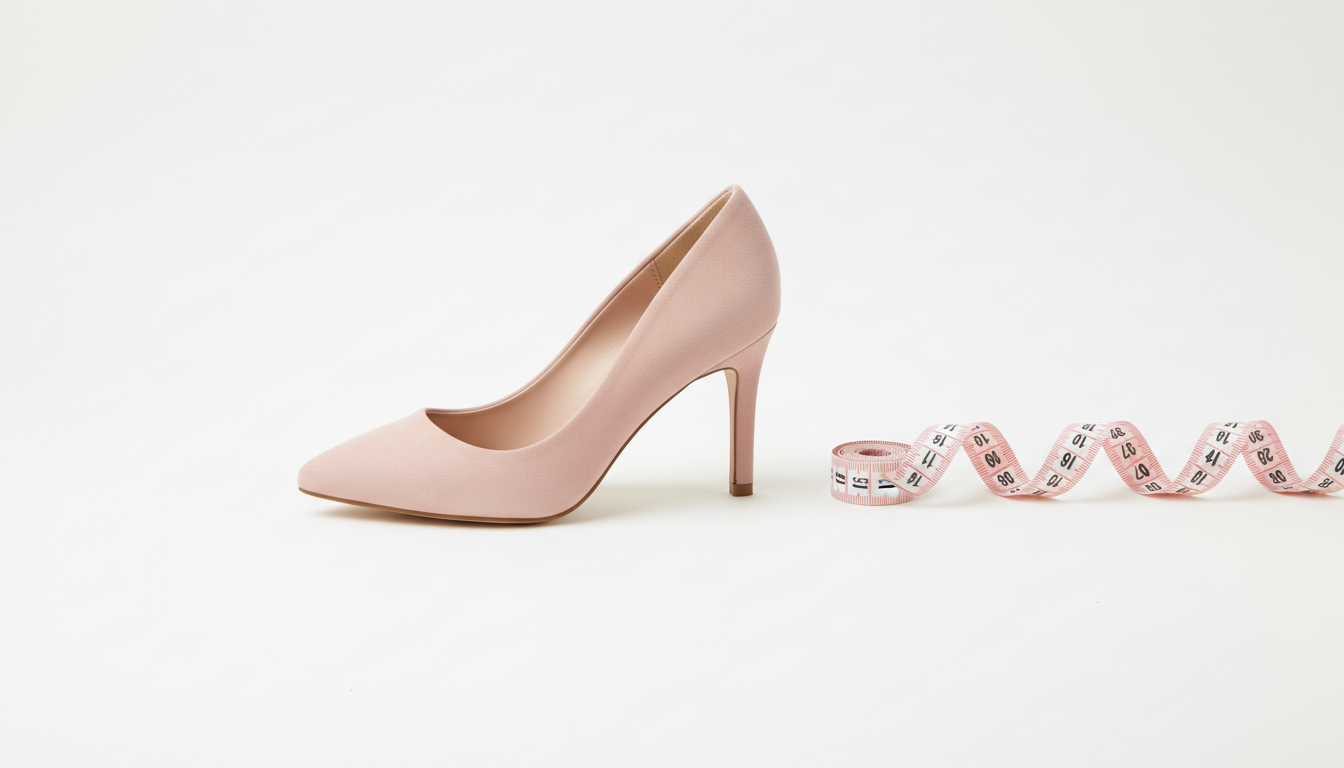
Women’s shoe sizes vary between countries and brands, making international shopping a challenge. A UK 5 is a US 7, an EU 38, and a 24 cm in Japanese sizing. Use our comprehensive conversion chart below to find your size in any system, and follow the measurement guide to determine your exact foot length for the most accurate fit.
Remember that sizing can also vary by shoe type — heels, trainers, boots, and sandals may all fit differently even in the same brand and size number.
Women’s Shoe Size Conversion Chart
Sizes are based on standard foot length measurements. If your measurement falls between two sizes, round up for closed-toe shoes and consider your usual preference for open-toe styles.
| UK | US | EU | CM |
|---|---|---|---|
| 2 | 4 | 34 | 21 |
| 2.5 | 4.5 | 35 | 21.5 |
| 3 | 5 | 35.5 | 22 |
| 3.5 | 5.5 | 36 | 22.5 |
| 4 | 6 | 37 | 23 |
| 4.5 | 6.5 | 37.5 | 23.5 |
| 5 | 7 | 38 | 24 |
| 5.5 | 7.5 | 38.5 | 24.5 |
| 6 | 8 | 39 | 25 |
| 6.5 | 8.5 | 40 | 25.5 |
| 7 | 9 | 40.5 | 26 |
| 7.5 | 9.5 | 41 | 26.5 |
| 8 | 10 | 42 | 27 |
| 8.5 | 10.5 | 42.5 | 27.5 |
| 9 | 11 | 43 | 28 |
How to Measure Your Feet
Your foot size can change over time due to age, weight, and other factors. Measure both feet at least once a year, and always before buying shoes from a new brand.
- Time it right: Measure your feet in the late afternoon or evening when they’re at their largest after a day of activity
- Prepare: Stand on a piece of white paper placed on a hard floor, wearing the type of socks or tights you’d normally wear with the shoes
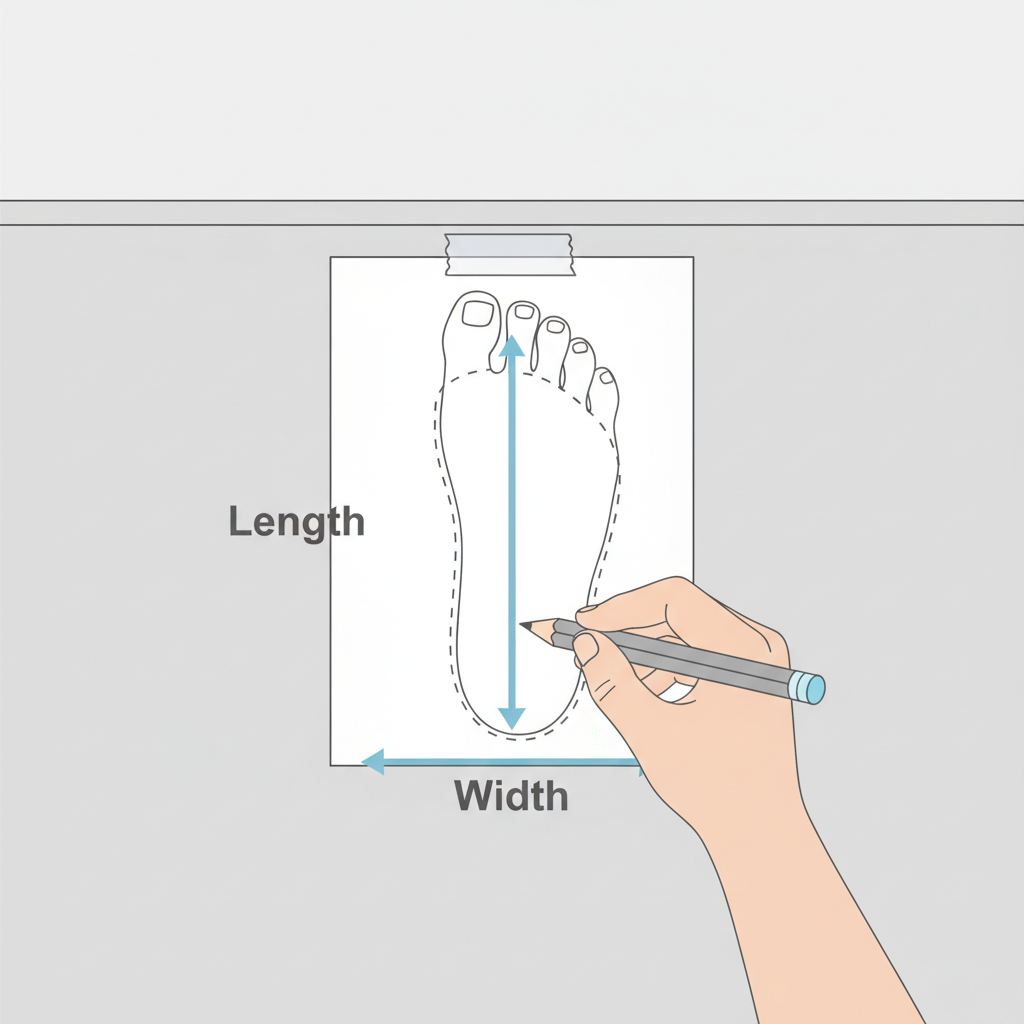
- Trace your foot: Hold a pen vertically and trace around your foot, keeping the pen perpendicular to the paper
- Measure length: Mark the longest point (heel to longest toe) and measure the distance in centimetres
- Measure width: Mark the widest point across the ball of your foot and measure across
- Use the larger foot: Most people have one foot slightly larger than the other — always shop for the bigger foot
Sizing by Shoe Type
Different shoe styles may require different size choices. Here’s what to consider for each type:
Heels & Courts
Your foot slides forward in heels, so the toe box fit is critical. For heels over 7 cm, consider going up half a size to avoid pinching at the toes. Pointed-toe styles may need a full size up for wider feet.
Trainers & Sneakers
Athletic shoes typically run half a size larger than dress shoes. Most running shoe brands recommend leaving a thumb’s width of space between your longest toe and the front of the shoe to accommodate foot swelling during exercise.
Boots
Ankle boots usually fit true to size, but knee-high and over-the-knee boots may need sizing up to accommodate thicker socks. Consider calf width as well — many brands offer regular and wide calf options.
Sandals & Flats
Open-toe sandals are more forgiving on length but should fit the width of your foot without overhang. Ballet flats and loafers should fit snugly as they tend to stretch with wear.
Women’s Shoe Sizing Tips
- UK to US conversion: UK women’s sizes are typically 2 sizes smaller than US sizes — a UK 5 is a US 7
- EU sizes are unisex: The same EU number applies to both men’s and women’s shoes, simplifying European shopping
- Width matters: If shoes often feel tight across the ball of your foot, look for brands that offer wide (D/E) fittings. Conversely, narrow (AA/B) fittings are available from specialist retailers
- Break-in period: Leather shoes typically need a short break-in period and will stretch slightly. Synthetic shoes generally won’t stretch much
- Half sizes: Not all brands offer half sizes. If your foot measures between sizes and half sizes aren’t available, size up and use an insole for a snugger fit
- Foot changes: Pregnancy, ageing, and weight fluctuations can change your shoe size. Re-measure periodically rather than assuming your size is fixed
Popular Women’s Shoe Brands
Sizing varies between brands — these popular women’s shoe retailers each have their own fit characteristics. Check their individual size guides for the most accurate fit.