
Plus Size Clothing Chart
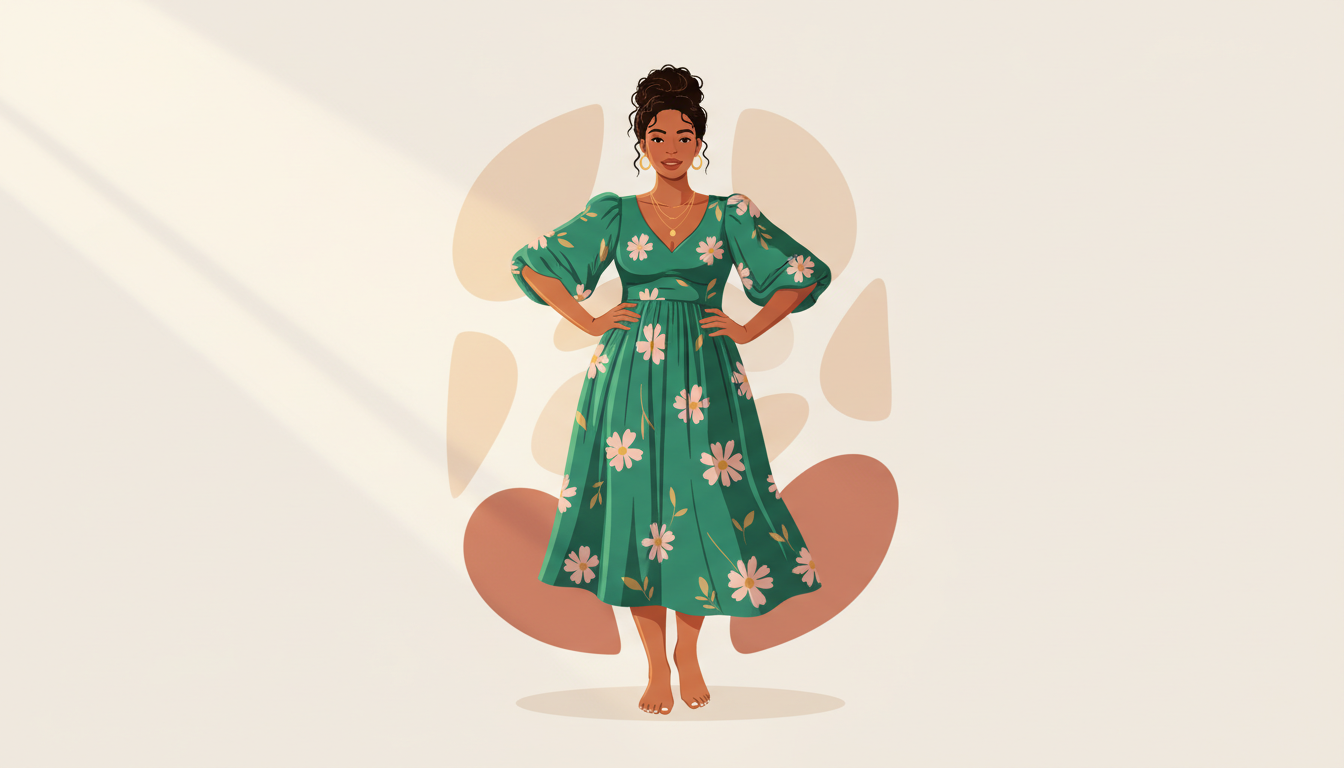
Plus size clothing in the UK typically starts at size 16 and extends to size 32 and beyond. Navigating plus size conversions between UK, US, and EU systems can be tricky, as different retailers define their plus size ranges differently. Our comprehensive chart below covers the standard conversions, but we always recommend measuring yourself and comparing to the brand’s specific size guide for the best fit.
The good news is that the plus size fashion market has expanded enormously in recent years, with more brands offering dedicated plus size ranges that are designed — not just scaled up — for curvier body shapes.
Plus Size Conversion Chart
Body measurements are in inches. These represent your actual body measurements, not the garment dimensions. Measure yourself and compare to find your best match.
| UK | US | EU | International | Bust (inches) | Waist (inches) | Hips (inches) |
|---|---|---|---|---|---|---|
| 16 | 12 | 44 | XL | 42 | 34 | 44 |
| 18 | 14 | 46 | 1X | 44 | 36 | 46 |
| 20 | 16 | 48 | 1X | 46 | 38 | 48 |
| 22 | 18 | 50 | 2X | 48 | 40 | 50 |
| 24 | 20 | 52 | 2X | 50 | 42 | 52 |
| 26 | 22 | 54 | 3X | 52 | 44 | 54 |
| 28 | 24 | 56 | 3X | 54 | 46 | 56 |
| 30 | 26 | 58 | 4X | 56 | 48 | 58 |
| 32 | 28 | 60 | 4X | 58 | 50 | 60 |
How to Measure for Plus Size Clothing
Accurate measurements are especially important in plus sizes, where the difference between sizes becomes larger. Use a soft, flexible measuring tape and measure against your skin or light undergarments.
Bust
Wear a well-fitting, non-padded bra. Wrap the tape around the fullest part of your bust, keeping it parallel to the floor across your back. Don’t pull tight — the tape should sit comfortably without digging in.
Waist
Find your natural waistline — the narrowest part of your torso, typically above the navel. If it’s hard to identify, bend sideways and the crease marks the spot. Keep one finger between the tape and your body.
Hips
Stand with your feet together and measure around the fullest part of your hips and buttocks. This is usually 18–23 cm (7–9 inches) below your waistline. Keep the tape level.
High Hip
Some plus size brands also use a “high hip” measurement, taken about 10 cm (4 inches) below the waist. This is useful for A-line skirts and empire-waist dresses that sit above the widest hip point.
Understanding Plus Size Fit
Body Shape Matters
Plus size bodies come in many shapes — apple, pear, hourglass, and rectangle. Two people wearing a UK 22 can have very different proportions. Understanding your body shape helps you choose styles that flatter and fit well, beyond just picking the right number.
Vanity Sizing
“Vanity sizing” means different brands assign different measurements to the same size label. A UK 18 at one retailer may be closer to a UK 20 at another. This is why measuring yourself and checking each brand’s specific chart is essential.
Dedicated vs. Extended Ranges
Brands with dedicated plus size lines (like yours truly, Simply Be, or Evans) design specifically for curvier figures with adjusted proportions. Extended size ranges from standard brands may simply scale up existing patterns, which can affect fit around bust, arms, and hips.
Fabric & Stretch
Fabrics with elastane or spandex blends are more forgiving and comfortable. Pure cotton and linen can feel restrictive if you’re between sizes. Jersey knits drape well on curvier frames. Look for fabric composition on the label before buying.
Plus Size Shopping Tips
- Always measure first: Don’t assume your size is the same across brands — a UK 20 at ASOS fits differently from a UK 20 at M&S
- Check fabric composition: Stretchy materials (jersey, elastane blends) offer more flexibility; rigid fabrics (cotton poplin, denim) may need sizing up
- Look for dedicated plus brands: Retailers that specialise in plus sizes design for curvy proportions, giving a better fit than standard ranges extended upwards
- Size up for comfort if between sizes: A slightly roomier garment often looks more polished than one that pulls or strains
- Focus on how it fits, not the label: Size numbers are just numbers — what matters is how the garment looks and feels on your body
- Try structured and unstructured styles: Blazers and tailored pieces with good construction can be incredibly flattering; don’t shy away from them
- Check return policies: When shopping online, choose retailers with free returns so you can try multiple sizes without risk
- Read customer reviews: Other plus size shoppers often share helpful fit information in reviews
Plus Size Brands & Retailers
These popular UK retailers offer dedicated plus size collections with their own size guides. Click through to check brand-specific sizing where available.